
A Guide to Setting a Promotional Gift Budget
Client gifting is one of those business challenges where there seems like there should be a simple answer, but in…


4 min
 |
Veronika Mikec je redna študentka, pisateljica blogov in bodoča revolucionarka. |
|
Veronika Mikec is a full-time student, writer, and future revolutionary. |
We all know how annoying it is when small things interrupt our work. And now research confirms it — after interruptions, people often need several minutes to return to a state of deep focus, which means lost time and energy.
Distractions in the workplace aren’t just irritating — they seriously affect productivity, well-being, and overall employee satisfaction. This can increase stress, fatigue, and the risk of burnout.
Leadership plays a key role in shaping a culture that supports focus and respect for each other’s time. When leaders set clear expectations, they create an environment where employees can perform at their best. Such a culture not only improves productivity but also increases motivation and employee satisfaction, which contributes to the company’s long-term stability.
Noise and constant chatter among coworkers are among the most common office distractions. Continuous phone calls, whispering, or laughter can easily disrupt thought processes, leading to reduced productivity. The solution isn’t necessarily complete silence but rather a structured environment that allows individuals to focus when needed. Introducing “quiet zones” or focus rooms helps employees find peace at certain times of the day and concentrate on demanding tasks without interruptions.
Beyond the physical workspace, awareness culture matters too. Not every conversation is urgent, and not every question requires immediate attention. Encouraging a culture where employees know when and how to “interrupt” colleagues can significantly reduce unnecessary disruptions. This improves work quality and maintains mutual respect.
Another common initiative is providing employees with quality noise-canceling headphones as a corporate gift. Such equipment not only reduces noise but also signals that the company values focus and well-being. The effect is twofold: improved productivity and higher motivation.
In today’s work environment, digital distractions pose a major challenge. Constant notifications from email, Slack, Teams, or other communication platforms can completely break concentration. Setting clear company guidelines for communication channel use is crucial — for example, defining specific times for checking email, using notifications only for urgent matters, and encouraging asynchronous communication where possible.
Digital hygiene is also important on a personal level. Employees should receive continuous education, concrete guidelines, and examples of how to manage the digital environment effectively. This directly impacts both productivity and well-being.
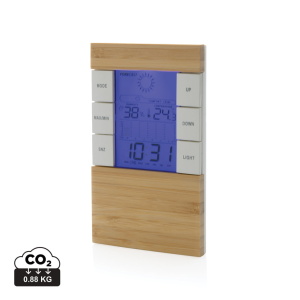
Promotional gifts can symbolize the balance between the digital and real worlds. Phone stands, personalized planners, or other functional accessories encourage mindful technology use and remind employees to take time for organization and focus. Such gifts are both practical and meaningful.







Fatigue and burnout are real obstacles to productivity that are often overlooked. People who don’t rest or take proper breaks lose focus, creativity, and motivation quickly. Encouraging regular breaks and movement during work hours is essential. Even short walks, stretching, or simple muscle relaxation exercises can significantly improve mental state and energy levels.
A relaxing work environment enriched with plants and natural light also reduces stress and fatigue. Such spaces promote positive energy and help employees recharge and refocus on challenging tasks.
Companies can further support well-being with gifts such as quality thermoses, mugs, or water bottles. These items serve a practical purpose and also act as reminders that self-care and hydration are part of a productive work process. Such messages strengthen employees’ sense of belonging.
Physical clutter and poor workspace organization greatly impact one’s ability to concentrate. A desk full of unnecessary papers and supplies creates visual stress and reduces efficiency. Providing clean, bright, and logically organized workspaces is the first step toward creating an environment where work feels pleasant and productive.
Minimalism as an approach not only visually calms the space but also helps with mental clarity. When employees aren’t surrounded by visual distractions, they can better structure their work and focus on key tasks.
Practical gifts such as desk organizers support this culture. These gifts help employees maintain order while communicating that the company values productivity and good organization. A tidy space is the foundation of mental clarity and reduced stress.
Stress and inner restlessness severely limit productivity, as they prevent focus and clear thinking. Establishing open communication and psychological safety is key to reducing internal tension. Employees who feel safe expressing concerns or ideas without fear of judgment are more motivated, creative, and productive.
Caring for mental health has become a competitive advantage. Organizations that invest in well-being programs, counseling, or employee support gain a long-term edge in the job market. Employees, in turn, are less prone to burnout and more engaged in their work.
Small anti-stress tools, notebooks for thoughts and ideas, or other practical items can serve as gifts symbolizing the company’s care for mental health. These gifts are not about material value but about the message that the company understands and values employee well-being.
Productivity grows when employees feel respected and supported. A calm, organized, and focused work environment enables individuals to give their best — not because of pressure to deliver, but because they feel safe, cared for, and motivated.
In this context, promotional gifts can go beyond mere gestures — they become a message that you care about employees’ well-being, focus, and contribution to the company. Such investments create a culture where work is done with greater quality, motivation, and satisfaction — ultimately benefiting both the company and its people.

Client gifting is one of those business challenges where there seems like there should be a simple answer, but in…

The modern business environment is changing faster than ever before, and with it, the expectations of the people who form…

The colder months bring specific challenges, but also exceptional opportunities in marketing and brand building. As temperatures drop, people look…

The modern market for promotional and business gifts has been changing rapidly in recent years, as traditional printed materials, simple…

Corporate gifting has long been considered one of the key building blocks of good personal and business relationships. However, the…
Client gifting is one of those business challenges where there seems like there should be a simple answer, but in…
The modern business environment is changing faster than ever before, and with it, the expectations of the people who form…
The colder months bring specific challenges, but also exceptional opportunities in marketing and brand building. As temperatures drop, people look…
The modern market for promotional and business gifts has been changing rapidly in recent years, as traditional printed materials, simple…
Corporate gifting has long been considered one of the key building blocks of good personal and business relationships. However, the…

The modern business environment is changing faster than ever before, and with it, the expectations of the people who form the core of every successful…
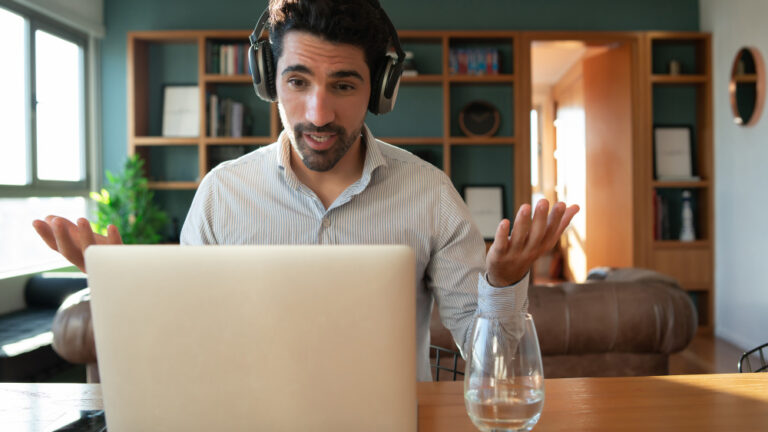
The modern workspace has changed dramatically over the last few years. Companies around the world have realized that work is no longer tied to just…

Workplace health is no longer merely an add-on to business operations; it has become a strategic priority for every responsible and long-term-oriented company.

Hybrid work, which combines office-based and remote work, has become a reality for many companies worldwide. While this way of working offers numerous benefits, it…

The beginning of the calendar year in companies often also marks the start of a new business cycle. This is the time when key decisions…

Minimalism is no longer just an aesthetic trend but an effective work approach that reduces overwhelm and increases mental clarity.

We all know how annoying it is when small things interrupt our work. And now research confirms it — after interruptions, people often need several…

Workdays are often long and full of tasks that require a lot of attention and energy. Because of this, we can easily forget how important…

Promotional gifts have long been a strategic tool for businesses, allowing them to create lasting impressions and strengthen their relationships with clients, partners, and employees.

Good communication in the workplace is the foundation of successful business operations. It enables clear articulation of goals, efficient task allocation, and swift problem-solving. This…

The last decade has seen a significant increase in awareness surrounding mental wellness. People are actively seeking ways to manage stress, anxiety, and overall mental…

For health-conscious individuals and fitness enthusiasts, staying active and maintaining a balanced lifestyle is not just a passing interest but a core value that guides…

Quality sleep has become a luxury for many. However, the importance of a good night’s sleep cannot be overstated. Adequate sleep not only rejuvenates the…

In today’s fast-paced and demanding work environment, achieving work-life balance is more crucial than ever. Striking a healthy equilibrium between professional responsibilities and personal well-being…

We have reached the last week of this year; the New Year holidays are upon us, dedicated to celebrating and spending time with our loved…

In the past couple of years, sustainability has become a major topic in all parts of life – home living, business management, and even diet.…

Cold weather can cause a change in appetite, as we exchange light summer salads and grilled dishes for more hearty meals that keep us full…

Many people think that higher pay and perks—like paid lunches—are directly related to job satisfaction. In fact, it is the interconnections that are an important…

The impact of the pandemic on international trade makes buying local more important than ever. This period over the past few years has been one…

Customer loyalty is a key driver of business growth, as repeat customers are generally the most predictable source of revenue and have a lower cost…

Every company needs to have goals aimed at increasing productivity in the workplace. The more productive your business, the easier it is to increase profits…

A healthy work environment is exactly what you need to maintain a positive well-being in your office, even when stress levels are extremely high. The…

We live in a world where we are constantly in a hurry – we are in a hurry on our way to work, to school,…

We’re finally witnessing the arrival of the new year – to be completely honest, it’s here much sooner than we expected. Sometimes it seems that…

From the moment you step into the office in the morning, you’re probably planning all the things you plan to do throughout the day. But…

Achieving our goals is rarely easy, which is why it is important to know how to maintain our motivation in stressful and overburdened situations –…

Our world faces countless problems every day – from poverty and hunger, wars and injustice, to climate change. Despite constant effort and endeavour, unfortunately none…

Many people want to enter their New Year with a healthier lifestyle – and why not start working on your New Year’s vows today? It…

I know, I know, you’ve read the title and now you may be wondering what ‘zero waste’ is all about. What does this phrase actually…

Have you been snoring and coughing more frequently lately? Have you been experiencing headaches as well? Do you feel more tired than usual? Are you…

Everyone in the world is becoming increasingly aware of the important role healthy habits play not only in relation to our health, but also in…

Employees are the most important asset of a company, which is something even an inexperienced entrepreneur is aware of. And by investing in the well-being…

Few of us can resist the sweet taste of chocolate. It is not uncommon to impulsively buy a whole bunch of candy in a store.…

Many of us have faced a new challenge in the past year – how to do our job well from home? Sticky notes are multiplying…

Cold winter months are right around the corner, soon to be knocking on our doors. Well, if you ask me, some cold mornings feel like…