
Employee Well-Being as a Guiding Principle
The modern business environment is changing faster than ever before, and with it, the expectations of the people who form…


4 min
 |
Renata Novak je strokovnjak na področju vsebinskega marketinga, digitalnega marketinga in upravljanja blagovnih znamk. |
|
Renata Novak is a brand manager, digital marketer and content writer. |
In our rapidly evolving world, the concept of sustainability has emerged as a guiding principle for responsible living. It’s not merely a trend but a fundamental shift in mindset, urging us to consider the long-term consequences of our actions on the planet. At its core, sustainability challenges us to find harmony between meeting our present needs and safeguarding the resources for future generations.
Sustainability isn’t just about recycling or using energy-efficient appliances; it’s a comprehensive mindset that guides how we interact with our environment and utilize its resources. At its core, sustainability is about recognizing that we are part of a delicate ecosystem and understanding our responsibility to preserve it for future generations.
Minimizing waste is a key aspect of sustainability. Every item we consume, from food packaging to electronic devices, has a lifecycle that extends beyond its immediate use. When we fail to consider the long-term impact of our consumption habits, we contribute to the growing problem of waste accumulation in landfills and oceans. This not only degrades natural habitats but also poses risks to wildlife and human health.
Conserving energy is another critical component of sustainability. Our reliance on fossil fuels for energy production has led to unprecedented levels of greenhouse gas emissions, driving climate change and exacerbating environmental degradation. By prioritizing energy efficiency and investing in renewable energy sources, we can reduce our carbon footprint and mitigate the harmful effects of climate change.
Protecting ecosystems is fundamental to sustainable living. Biodiversity loss, deforestation, and habitat destruction are all consequences of human activities that prioritize short-term gains over long-term ecological health. When we disrupt ecosystems, we jeopardize the delicate balance of life on Earth, leading to irreversible damage and loss of vital resources.
The urgency of addressing these sustainability challenges cannot be overstated. Climate change, in particular, presents an existential threat to our planet and all its inhabitants. Rising global temperatures, extreme weather events, and sea-level rise are already impacting communities around the world, disproportionately affecting vulnerable populations and exacerbating social inequalities.
Consider the lifespan of everyday single-use items, such as plastic water bottles – such items, designed for convenience, have a detrimental impact on the environment due to their long decomposition periods. However, viable alternatives exist.







Transitioning from disposable plastic water bottles to reusable ones marks a significant step towards sustainability. By opting for reusable bottles crafted from durable materials like stainless steel or glass, we reduce the demand for single-use plastics and minimize waste accumulation. Moreover, these reusable options promote healthier hydration habits and offer long-term cost savings.
The shift from plastic shopping bags to reusable alternatives, such as cotton or canvas totes, is an impactful way to reduce plastic pollution. Reusable bags not only eliminate the need for single-use plastics but also provide a sturdy and versatile option for carrying groceries and other items. Additionally, investing in reusable bags encourages a culture of sustainability and reduces the environmental burden associated with plastic bag production and disposal.
Addressing the issue of plastic in mobile gadgets involves a multifaceted approach, including redesigning products to use sustainable materials and promoting responsible disposal and recycling practices. By replacing plastic components with alternatives like bamboo or recycled plastic, manufacturers can reduce the environmental impact of electronic devices. Additionally, encouraging consumers to repair, refurbish, or recycle their gadgets at the end of their lifecycle can minimize electronic waste and promote a circular economy.
The transition from plastic straws to eco-friendly alternatives like paper, bamboo, or stainless steel straws is a simple yet effective way to combat plastic pollution. Reusable alternatives offer the same functionality as plastic straws without the environmental drawbacks, allowing individuals to enjoy their beverages sustainably. Furthermore, businesses can play a crucial role by offering straws only upon request or switching to biodegradable options to reduce their environmental footprint.
Reducing the use of plastic packaging and opting for sustainable alternatives is essential for minimizing waste and environmental pollution. Biodegradable materials such as compostable plant-based plastics, cardboard, and paper offer viable alternatives to traditional plastic packaging. Additionally, innovative packaging solutions, such as reusable containers and packaging made from recycled materials, contribute to a more sustainable and circular economy.
By embracing these sustainable alternatives and advocating for widespread adoption, we can collectively reduce our reliance on uncompostable materials and pave the way towards a more environmentally conscious future.
Businesses wield considerable influence in shaping societal norms and behaviors. As major contributors to environmental degradation, it’s incumbent upon us to lead by example and prioritize sustainability in all aspects of our operations.
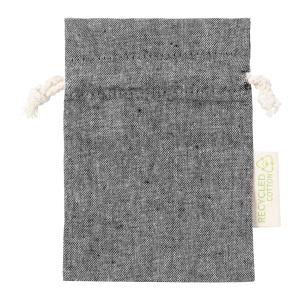
By sourcing promotional and business gifts from eco-friendly materials such as bamboo, recycled paper, or organic cotton, we can minimize our ecological footprint and support sustainable practices. Efforts to reduce packaging waste through the use of recycled or biodegradable materials not only demonstrate our commitment to the environment but also resonate with environmentally-conscious consumers.
Implementing carbon offsetting initiatives allows us to mitigate the environmental impact of business activities, such as travel and shipping, thereby contributing to global efforts to combat climate change. Educating employees and customers about the importance of sustainability fosters a culture of environmental stewardship within our organization and encourages mindful consumption habits among our stakeholders.
In conclusion, sustainability is not merely a concept; it’s a call to action for individuals and businesses alike. By embracing sustainable practices in our daily lives and operations, we can pave the way for a greener, more equitable future. Let us seize this opportunity to safeguard the planet for future generations and ensure that our legacy is one of stewardship and responsibility.

The modern business environment is changing faster than ever before, and with it, the expectations of the people who form…

The colder months bring specific challenges, but also exceptional opportunities in marketing and brand building. As temperatures drop, people look…

The modern market for promotional and business gifts has been changing rapidly in recent years, as traditional printed materials, simple…

Corporate gifting has long been considered one of the key building blocks of good personal and business relationships. However, the…

Business gift-giving has long been considered a refined form of communication between companies, partners, and clients. Although at first glance…
The modern business environment is changing faster than ever before, and with it, the expectations of the people who form…
The colder months bring specific challenges, but also exceptional opportunities in marketing and brand building. As temperatures drop, people look…
The modern market for promotional and business gifts has been changing rapidly in recent years, as traditional printed materials, simple…
Corporate gifting has long been considered one of the key building blocks of good personal and business relationships. However, the…
Business gift-giving has long been considered a refined form of communication between companies, partners, and clients. Although at first glance…

The modern business environment is changing faster than ever before, and with it, the expectations of the people who form the core of every successful…

The modern workspace has changed dramatically over the last few years. Companies around the world have realized that work is no longer tied to just…

Workplace health is no longer merely an add-on to business operations; it has become a strategic priority for every responsible and long-term-oriented company.

Hybrid work, which combines office-based and remote work, has become a reality for many companies worldwide. While this way of working offers numerous benefits, it…

The beginning of the calendar year in companies often also marks the start of a new business cycle. This is the time when key decisions…

Minimalism is no longer just an aesthetic trend but an effective work approach that reduces overwhelm and increases mental clarity.

We all know how annoying it is when small things interrupt our work. And now research confirms it — after interruptions, people often need several…

Workdays are often long and full of tasks that require a lot of attention and energy. Because of this, we can easily forget how important…

Promotional gifts have long been a strategic tool for businesses, allowing them to create lasting impressions and strengthen their relationships with clients, partners, and employees.

Good communication in the workplace is the foundation of successful business operations. It enables clear articulation of goals, efficient task allocation, and swift problem-solving. This…

The last decade has seen a significant increase in awareness surrounding mental wellness. People are actively seeking ways to manage stress, anxiety, and overall mental…

For health-conscious individuals and fitness enthusiasts, staying active and maintaining a balanced lifestyle is not just a passing interest but a core value that guides…

Quality sleep has become a luxury for many. However, the importance of a good night’s sleep cannot be overstated. Adequate sleep not only rejuvenates the…

In today’s fast-paced and demanding work environment, achieving work-life balance is more crucial than ever. Striking a healthy equilibrium between professional responsibilities and personal well-being…

We have reached the last week of this year; the New Year holidays are upon us, dedicated to celebrating and spending time with our loved…

In the past couple of years, sustainability has become a major topic in all parts of life – home living, business management, and even diet.…

Cold weather can cause a change in appetite, as we exchange light summer salads and grilled dishes for more hearty meals that keep us full…

Many people think that higher pay and perks—like paid lunches—are directly related to job satisfaction. In fact, it is the interconnections that are an important…

The impact of the pandemic on international trade makes buying local more important than ever. This period over the past few years has been one…

Customer loyalty is a key driver of business growth, as repeat customers are generally the most predictable source of revenue and have a lower cost…

Every company needs to have goals aimed at increasing productivity in the workplace. The more productive your business, the easier it is to increase profits…

A healthy work environment is exactly what you need to maintain a positive well-being in your office, even when stress levels are extremely high. The…

We live in a world where we are constantly in a hurry – we are in a hurry on our way to work, to school,…

We’re finally witnessing the arrival of the new year – to be completely honest, it’s here much sooner than we expected. Sometimes it seems that…

From the moment you step into the office in the morning, you’re probably planning all the things you plan to do throughout the day. But…

Achieving our goals is rarely easy, which is why it is important to know how to maintain our motivation in stressful and overburdened situations –…

Our world faces countless problems every day – from poverty and hunger, wars and injustice, to climate change. Despite constant effort and endeavour, unfortunately none…

Many people want to enter their New Year with a healthier lifestyle – and why not start working on your New Year’s vows today? It…

I know, I know, you’ve read the title and now you may be wondering what ‘zero waste’ is all about. What does this phrase actually…

Have you been snoring and coughing more frequently lately? Have you been experiencing headaches as well? Do you feel more tired than usual? Are you…

Everyone in the world is becoming increasingly aware of the important role healthy habits play not only in relation to our health, but also in…

Employees are the most important asset of a company, which is something even an inexperienced entrepreneur is aware of. And by investing in the well-being…

Few of us can resist the sweet taste of chocolate. It is not uncommon to impulsively buy a whole bunch of candy in a store.…

Many of us have faced a new challenge in the past year – how to do our job well from home? Sticky notes are multiplying…

Cold winter months are right around the corner, soon to be knocking on our doors. Well, if you ask me, some cold mornings feel like…