
Employee Well-Being as a Guiding Principle
The modern business environment is changing faster than ever before, and with it, the expectations of the people who form…


4 min
 |
Renata Novak je strokovnjak na področju vsebinskega marketinga, digitalnega marketinga in upravljanja blagovnih znamk. |
|
Renata Novak is a brand manager, digital marketer and content writer. |
In the world of promotional gifts and corporate items, companies often face a dilemma: should they choose personalization, branding, or perhaps both?
Each option offers important benefits and effects, but they serve different purposes. To make the right decision, it’s crucial to understand the differences between them, their impact on recipients, and their ultimate effect on the brand.
Personalization, in the context of corporate gifts, means tailoring the product to the individual recipient. This can include an engraved name, a unique message, a specific color the recipient likes, or even products selected based on their interests.
The goal of personalization is to create a feeling that the gift is meant specifically for that person and is not just one of many identical items. Personalization adds emotional value and shows that the company put effort into the selection.
Branding, on the other hand, means that the product features the company’s brand visuals. This usually includes the logo, slogan, brand colors, and other recognizable features that promote the company’s identity.
A branded promotional product doesn’t just target one person—it targets an entire audience. Its main goal is to increase brand recognition, strengthen the company’s identity, and build long-term trust with the target group.
Branding allows a company to stay present in people’s minds even when it’s not physically present. When someone receives a product clearly branded with a company logo, they’re reminded of that company every time they use it. This creates passive yet continuous exposure in the recipient’s daily life.
The more often the recipient sees the logo or company name, the more likely they are to remember it. This effect is scientifically proven to be one of the key factors in building brand recognition. Promotional products such as pens, mugs, or notebooks with logos act as silent brand ambassadors, gradually building trust and connection.
A personalized gift isn’t just a material object—it carries emotional weight. A personal message or engraved name adds value that goes beyond the product’s function. These kinds of gifts leave a strong impression and are often remembered longer than generic promotional items.
Personalization shows that a company is thinking about the recipient and wants to show appreciation. When someone receives a gift clearly intended just for them, they feel valued and seen. This approach can strengthen relationships with key clients, employees, or business partners.
Examples of personalization include a keychain engraved with an employee’s name on their work anniversary or a planner with a VIP client’s initials gifted at the start of the new year. In such cases, the emotional element is far more important than the promotional value. Personalization can also improve workplace atmosphere by showing that leadership values their team.

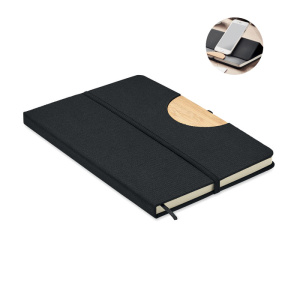
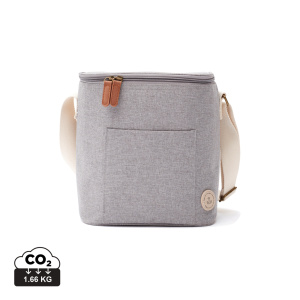

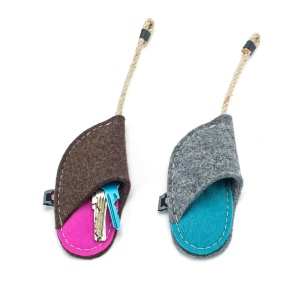


At large events such as trade shows, conferences, or sponsored gatherings, branding is the most effective option. Here, the goal is to reach as many people as possible and expand brand recognition. Branded promotional items help companies stand out from the competition and remain visible even after the event.
For internal occasions, such as company anniversaries, team achievements, or employee holiday gifts, personalization has a stronger impact. Employees are more likely to appreciate a gift that’s personal and shows that the company sees them as individuals. Personalization is also an excellent way to thank clients for long-term cooperation.
When the target audience is large, personalization is often more logistically challenging and expensive. In such cases, branding makes more sense. But when the recipients are a smaller, more exclusive group, personalization can create a stronger impression and greater loyalty.
A combination of both approaches is often the best solution. For example, a company can gift a high-quality thermos bottle with the company logo on one side and the recipient’s name on the other. This way, the gift merges brand power with a personal touch, offering both promotional and emotional value.
Before selecting a gift, it’s important for a company to ask: who is the recipient, and on what occasion is the gift being given? Based on that, they can decide whether to use a combination of personalization and branding or stick to just one approach. For example, for VIP clients or company executives, more personalization is recommended, whereas promotional pens for trade show visitors can be simply branded.
Every gift has a purpose, so it’s important to first understand what you want to achieve with it. If the goal is to spread brand awareness, branding holds more value. But if the aim is to strengthen relationships, create a personal experience, or reward loyalty, then personalization has a stronger effect. In many cases, combining both is not only possible but also meaningful.
In today’s business world, simply handing out logo-stamped products is no longer enough. Recipients remember gifts that speak to them personally. When a company manages to combine the strength of branding with the warmth of personalization, it creates a gift that stands out—not only visually, but emotionally as well. These are the gifts people use, talk about, and remember—and that’s the ultimate goal of any promotional product.

The modern business environment is changing faster than ever before, and with it, the expectations of the people who form…
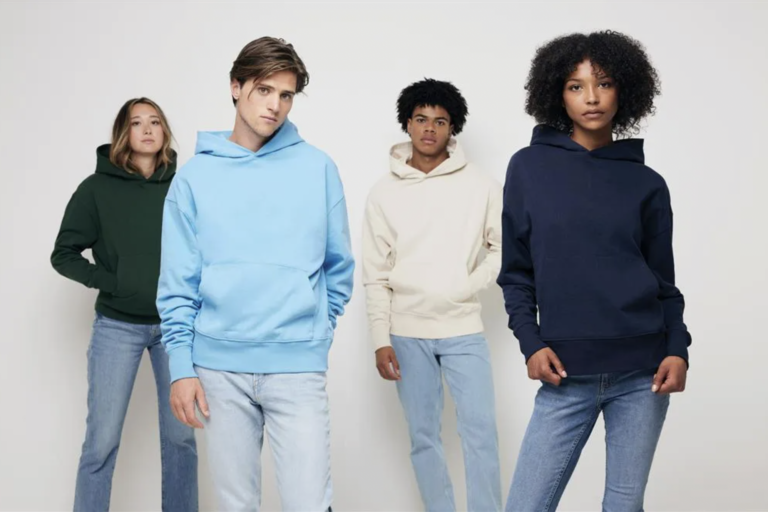
The colder months bring specific challenges, but also exceptional opportunities in marketing and brand building. As temperatures drop, people look…
The modern market for promotional and business gifts has been changing rapidly in recent years, as traditional printed materials, simple…

Corporate gifting has long been considered one of the key building blocks of good personal and business relationships. However, the…

Business gift-giving has long been considered a refined form of communication between companies, partners, and clients. Although at first glance…
The modern business environment is changing faster than ever before, and with it, the expectations of the people who form…
The colder months bring specific challenges, but also exceptional opportunities in marketing and brand building. As temperatures drop, people look…
The modern market for promotional and business gifts has been changing rapidly in recent years, as traditional printed materials, simple…
Corporate gifting has long been considered one of the key building blocks of good personal and business relationships. However, the…
Business gift-giving has long been considered a refined form of communication between companies, partners, and clients. Although at first glance…

The modern business environment is changing faster than ever before, and with it, the expectations of the people who form the core of every successful…

The modern workspace has changed dramatically over the last few years. Companies around the world have realized that work is no longer tied to just…

Workplace health is no longer merely an add-on to business operations; it has become a strategic priority for every responsible and long-term-oriented company.

Hybrid work, which combines office-based and remote work, has become a reality for many companies worldwide. While this way of working offers numerous benefits, it…

The beginning of the calendar year in companies often also marks the start of a new business cycle. This is the time when key decisions…

Minimalism is no longer just an aesthetic trend but an effective work approach that reduces overwhelm and increases mental clarity.

We all know how annoying it is when small things interrupt our work. And now research confirms it — after interruptions, people often need several…

Workdays are often long and full of tasks that require a lot of attention and energy. Because of this, we can easily forget how important…

Promotional gifts have long been a strategic tool for businesses, allowing them to create lasting impressions and strengthen their relationships with clients, partners, and employees.

Good communication in the workplace is the foundation of successful business operations. It enables clear articulation of goals, efficient task allocation, and swift problem-solving. This…

The last decade has seen a significant increase in awareness surrounding mental wellness. People are actively seeking ways to manage stress, anxiety, and overall mental…

For health-conscious individuals and fitness enthusiasts, staying active and maintaining a balanced lifestyle is not just a passing interest but a core value that guides…

Quality sleep has become a luxury for many. However, the importance of a good night’s sleep cannot be overstated. Adequate sleep not only rejuvenates the…

In today’s fast-paced and demanding work environment, achieving work-life balance is more crucial than ever. Striking a healthy equilibrium between professional responsibilities and personal well-being…

We have reached the last week of this year; the New Year holidays are upon us, dedicated to celebrating and spending time with our loved…

In the past couple of years, sustainability has become a major topic in all parts of life – home living, business management, and even diet.…

Cold weather can cause a change in appetite, as we exchange light summer salads and grilled dishes for more hearty meals that keep us full…

Many people think that higher pay and perks—like paid lunches—are directly related to job satisfaction. In fact, it is the interconnections that are an important…

The impact of the pandemic on international trade makes buying local more important than ever. This period over the past few years has been one…

Customer loyalty is a key driver of business growth, as repeat customers are generally the most predictable source of revenue and have a lower cost…

Every company needs to have goals aimed at increasing productivity in the workplace. The more productive your business, the easier it is to increase profits…

A healthy work environment is exactly what you need to maintain a positive well-being in your office, even when stress levels are extremely high. The…

We live in a world where we are constantly in a hurry – we are in a hurry on our way to work, to school,…

We’re finally witnessing the arrival of the new year – to be completely honest, it’s here much sooner than we expected. Sometimes it seems that…

From the moment you step into the office in the morning, you’re probably planning all the things you plan to do throughout the day. But…

Achieving our goals is rarely easy, which is why it is important to know how to maintain our motivation in stressful and overburdened situations –…

Our world faces countless problems every day – from poverty and hunger, wars and injustice, to climate change. Despite constant effort and endeavour, unfortunately none…

Many people want to enter their New Year with a healthier lifestyle – and why not start working on your New Year’s vows today? It…

I know, I know, you’ve read the title and now you may be wondering what ‘zero waste’ is all about. What does this phrase actually…

Have you been snoring and coughing more frequently lately? Have you been experiencing headaches as well? Do you feel more tired than usual? Are you…

Everyone in the world is becoming increasingly aware of the important role healthy habits play not only in relation to our health, but also in…

Employees are the most important asset of a company, which is something even an inexperienced entrepreneur is aware of. And by investing in the well-being…

Few of us can resist the sweet taste of chocolate. It is not uncommon to impulsively buy a whole bunch of candy in a store.…

Many of us have faced a new challenge in the past year – how to do our job well from home? Sticky notes are multiplying…

Cold winter months are right around the corner, soon to be knocking on our doors. Well, if you ask me, some cold mornings feel like…